Spring Planning for Concrete Retaining Wall Installation
Spring is the perfect time for property owners to plan and connect with local contractors for durable concrete retaining wall installations that enhance landscape stability and curb appeal.
Spring is a popular season for planning and beginning outdoor projects like concrete retaining wall installation because it offers favorable weather conditions for construction work. As temperatures rise and the threat of winter weather diminishes, property owners often find it easier to prepare their landscapes for the upcoming warmer months. Spring provides an ideal opportunity to assess yard needs, refresh outdoor spaces, and lay the groundwork for long-term improvements, making it a strategic time to consider installing a retaining wall to enhance stability and aesthetic appeal.
Concrete retaining wall installation typically involves designing and building structures that support soil and prevent erosion on sloped or uneven terrain. This service often covers site assessment, foundation preparation, formwork, pouring and finishing concrete, and ensuring proper drainage to maximize durability. Whether used to create level planting areas, define property boundaries, or improve landscape functionality, these walls can be customized to suit specific property features and aesthetic preferences. Local contractors usually handle all aspects of the installation process, ensuring the structure is built to withstand local weather conditions and soil types.
Property owners can compare local options for concrete retaining wall installation by reviewing the experience and reputation of nearby service providers. It’s helpful to consider the range of services offered, the quality of materials used, and the level of expertise demonstrated in past projects. Many local contractors provide consultations to discuss design ideas, assess site conditions, and recommend solutions tailored to individual needs. By exploring multiple options and seeking references or examples of previous work, property owners can make informed decisions that align with their landscape goals and ensure a successful installation.
Plan your spring project by comparing local contractors to find the best fit for your concrete retaining wall installation needs.
- Expert Installation Services - Local contractors can provide professional installation to ensure a stable and durable retaining wall.
- Material Selection Guidance - Service providers can assist in choosing the right materials to match landscape and structural needs.
- Design and Planning Support - Pros can help plan effective retaining wall designs suited for spring landscaping projects.
- Quality Construction Solutions - Experienced contractors focus on building strong, long-lasting retaining walls for various terrain conditions.
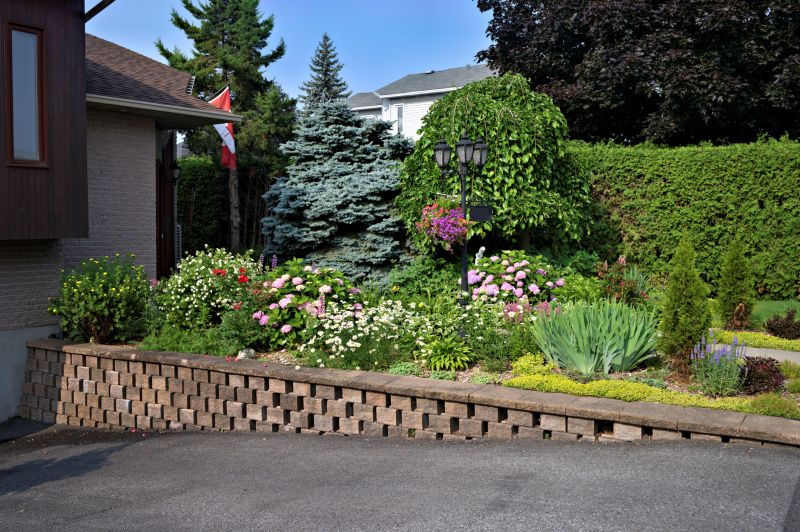
Before comparing options, clearly describe your concrete retaining wall project to help local contractors provide the best guidance.
- Assess soil stability and drainage to ensure the site is suitable for a concrete retaining wall. - Proper site evaluation helps prevent future issues related to shifting or water damage.
- Verify the planned wall height and design with local contractors to match your landscape needs. - Clear communication with service providers ensures the wall will support your desired landscape features.
- Check for existing underground utilities before excavation to avoid potential hazards or delays. - Contacting local utility companies can help identify underground lines that need to be avoided.
- Ensure the foundation is properly prepared with adequate footing and compacted base materials. - Proper foundation work is essential for the stability and longevity of the retaining wall.
- Discuss reinforcement options, such as rebar or wire mesh, with local contractors to enhance structural integrity. - Reinforcement choices can improve the durability of the concrete wall over time.
- Review the drainage plan to incorporate weep holes or drainage pipes for effective water management. - Proper drainage solutions help prevent water buildup and pressure behind the wall.
Explore ideas with local contractors to plan your spring concrete retaining wall project effectively.
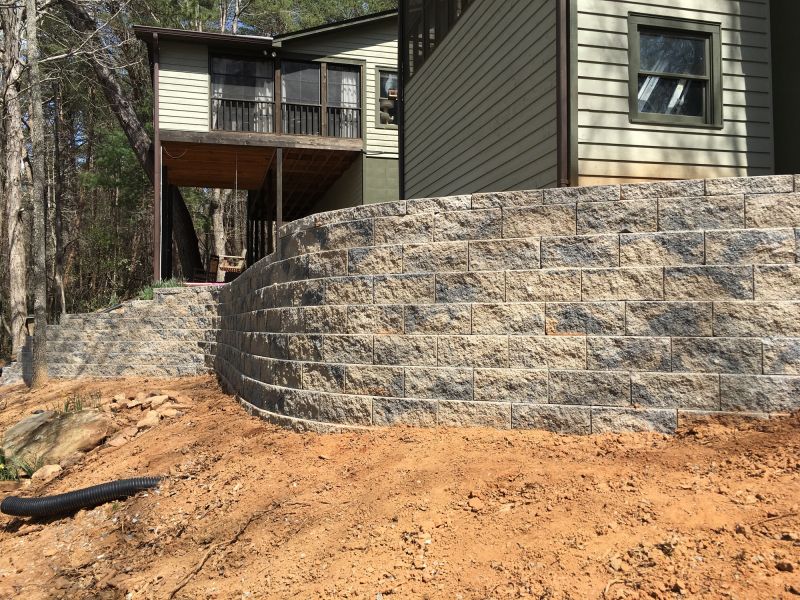
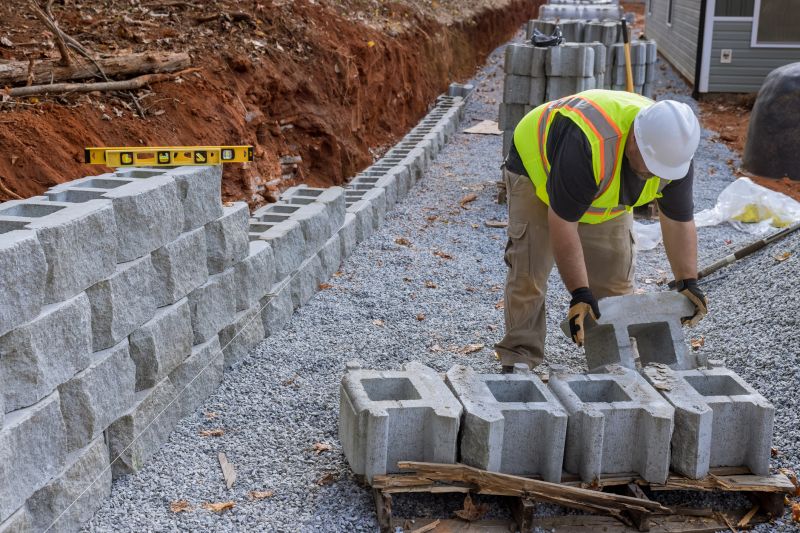
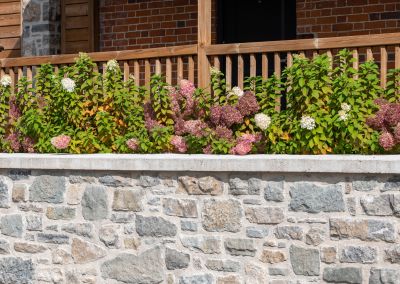
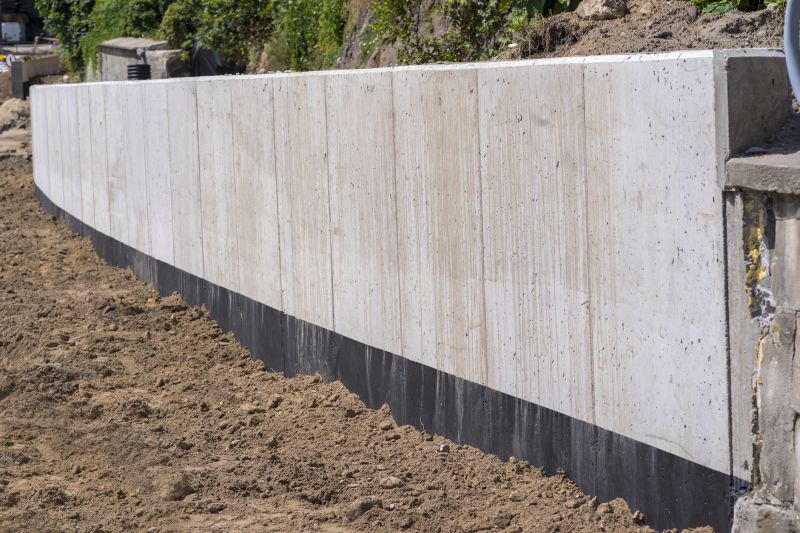
Prioritize your project goals and compare local contractors to find the best fit for your spring installation.
- Spring Garden Bed Support - Installing a concrete retaining wall can create a sturdy border for flower beds and vegetable gardens, helping to contain soil and prevent erosion. Local contractors can assist with designing and building a durable structure suited to spring planting needs.
- Erosion Control Solutions - A concrete retaining wall can be used to stabilize slopes and prevent soil washout during spring rains. Service providers can help evaluate site conditions and install effective erosion barriers.
- Terrace and Patio Enhancements - Building a retaining wall can define outdoor living spaces, making patios and terraces more functional and attractive for spring gatherings. Local pros can handle the installation to ensure a level and long-lasting feature.
- Landscape Leveling and Grading - Concrete retaining walls can help level uneven yard areas, creating a more usable outdoor space as part of spring landscaping projects. Experienced contractors can provide guidance on integrating walls into existing terrain.
- Outdoor Storage and Seating Areas - Incorporating concrete retaining walls can create raised areas for seating or storage, enhancing outdoor functionality in springtime outdoor setups. Local service providers can build custom solutions tailored to specific yard layouts.
Compare local contractors' scope options consistently to find the best fit for your spring concrete retaining wall project.
- Design Specifications - Define the structural requirements and aesthetic preferences for the retaining wall.
- Site Conditions - Assess soil type, drainage, and surrounding landscape to determine installation needs.
- Material Selection - Identify suitable concrete types and finishing options based on project goals.
- Foundation Requirements - Establish the depth, footing type, and preparation needed for stability.
- Structural Support - Determine necessary reinforcements, including reinforcement bars or anchors, for wall integrity.
When comparing local contractors for concrete retaining wall installation during the spring season, it’s important to consider their experience with similar projects. Homeowners should seek service providers who have a proven track record of constructing retaining walls in various soil conditions and landscape settings. An experienced contractor will be familiar with the specific challenges that come with springtime ground conditions, such as thawing or moisture levels, and can offer insights into best practices for durability and stability. Gathering information about past projects or requesting references can help gauge a contractor’s familiarity with the scope and complexity of retaining wall installations.
Clarity in the scope of work is essential when evaluating options. Homeowners should look for service providers who can clearly outline the steps involved in the project, including excavation, foundation preparation, formwork, reinforcement, and finishing. A well-defined scope helps ensure that all parties share the same expectations and reduces the risk of misunderstandings. It’s beneficial to discuss details such as wall height, length, materials, and any additional features like drainage or decorative elements. Clear communication about these elements can lead to a smoother planning process and a more successful outcome.
Work planning considerations are especially relevant in spring, when weather can influence project timelines and methods. Homeowners should inquire how local contractors plan for potential seasonal challenges, such as rain or fluctuating temperatures, and whether they have contingency plans in place. Understanding the scheduling approach and how they coordinate tasks like material delivery and site preparation can provide insight into their organizational skills. Proper planning ensures that the project progresses efficiently and minimizes delays caused by unpredictable spring weather conditions.
When evaluating different service providers, it’s helpful to focus on their approach to project management and communication. Homeowners can ask how they assess site conditions, determine the necessary scope adjustments, and coordinate with other landscape or construction professionals if needed. Additionally, considering the level of detail in their proposals and how they address specific project needs can reveal their professionalism and attention to detail. Comparing how local pros approach planning, scope clarity, and project execution can help homeowners select a partner best suited to achieve a durable and aesthetically pleasing retaining wall during the spring season.
Request written details from local contractors to ensure clear understanding of the scope for your spring concrete retaining wall project.
- Scope of Work Clarification - What specific tasks related to concrete retaining wall installation do local contractors include in their services?
- Material Options - How do local service providers compare in terms of the types of concrete and reinforcement materials they offer?
- Design and Planning - What level of assistance do local contractors provide in designing or customizing retaining walls for spring landscape refreshes?
- Project Scope Definition - How do local pros define the scope of a concrete retaining wall project to ensure it matches seasonal planning needs?
- Experience with Spring Installations - What experience do local service providers have with installing retaining walls during springtime projects?
What is a concrete retaining wall? A concrete retaining wall is a structure built to hold back soil and prevent erosion, often used to create level areas in sloped landscapes.
How do I plan for a concrete retaining wall project in spring? Spring is an ideal time to assess landscape needs, prepare the area, and consult with local contractors to ensure proper planning and installation.
What are the benefits of installing a concrete retaining wall in spring? Installing a concrete retaining wall in spring can help prevent soil erosion from winter runoff and enhance outdoor spaces for summer activities.
What factors influence the durability of a concrete retaining wall? Factors include proper design, quality materials, and correct installation by experienced service providers to ensure long-lasting performance.
Can local contractors customize concrete retaining walls for different landscape styles? Yes, local service providers can tailor concrete retaining wall designs to complement various landscape aesthetics and functional needs.
How can I find local pros for concrete retaining wall installation this spring? Use a lead generation site to compare and connect with nearby contractors specializing in concrete retaining walls for spring projects.
This spring offers an ideal opportunity to consider installing a concrete retaining wall to enhance your outdoor space. Visitors to this page have learned about the importance of proper planning, the benefits of durable concrete solutions, and the key factors to consider when choosing a suitable design. To explore your options and find experienced service providers in your area, using the quote form can help connect you with local contractors who specialize in retaining wall installation.
Comparing local service providers can ensure you find the right fit for your project needs. By reaching out through the quote form, you can gather information and estimates from qualified contractors in your community. This process makes it easier to evaluate options and choose a trusted local contractor to bring your spring landscaping ideas to life.
Providing clear details about your concrete retaining wall project helps local contractors understand your needs and plan effectively.
- Project Details - Share information about the size, shape, and location of the retaining wall project.
- Material Preferences - Indicate the types of concrete or finishing options preferred for the installation.
- Site Conditions - Describe the current site conditions, including soil type and accessibility.
- Additional Features - Mention any extra features or design elements planned for the retaining wall.