How Concrete Walls Improve Structural Stability and Drainage
Local contractors specializing in concrete wall construction can help improve your property’s structural stability and drainage by expertly installing durable, effective walls.
Property owners exploring ways to enhance the stability and drainage of their properties often find concrete walls to be a practical solution. These structures are known for their durability and strength, providing a reliable foundation that can withstand various environmental stresses. By improving structural stability, concrete walls help prevent issues like shifting or cracking that can compromise a property’s integrity over time. Additionally, their design can facilitate effective drainage, reducing the risk of water pooling or flooding around the property’s foundation. For those interested in these benefits, local contractors specializing in concrete wall construction are equipped to assess individual needs and deliver tailored solutions.
Understanding how concrete walls improve structural stability and drainage highlights their importance in maintaining a safe and functional property. Whether building retaining walls, basement foundations, or perimeter barriers, property owners can rely on local service providers to handle the installation with precision and expertise. These professionals ensure that concrete walls are constructed to meet specific site requirements, helping to protect the property from potential damage caused by shifting ground or excess water. For anyone considering this approach, exploring local contractors with experience in concrete wall construction can be a valuable step toward achieving long-lasting results.
- Concrete wall construction is often needed for retaining walls to enhance structural stability on sloped or uneven land, with local contractors specializing in foundation support. When drainage issues threaten to undermine a property’s stability, local service providers can install concrete walls designed to manage water flow effectively. For projects requiring added support to prevent soil erosion or shifting, local pros use concrete walls to reinforce the landscape and improve overall durability. In areas prone to heavy rainfall or flooding, local contractors build concrete walls that help direct water away from structures, improving drainage. When stability and drainage are priorities for a construction or landscaping project, local pros can provide concrete wall solutions tailored to those needs.
When people search for how concrete walls improve structural stability and drainage, they are often exploring solutions for strengthening foundations, preventing soil erosion, or managing water flow around their properties. This topic is commonly linked to renovation projects, new construction, or landscape improvements where durability and water management are priorities. Homeowners may be dealing with issues like shifting soil, basement leaks, or inadequate retaining structures, prompting them to consider concrete walls as a practical solution. Understanding how these walls contribute to both stability and drainage helps property owners make informed decisions about their construction or repair plans.
Concrete walls are valued for their ability to provide reliable support for various types of properties, including residential homes, commercial buildings, and landscaping features. They are frequently used as retaining walls to hold back soil on sloped land, preventing landslides or erosion that could compromise a property’s foundation. In addition, concrete walls are often incorporated into basement or foundation systems to enhance overall stability. For properties situated on uneven terrain or with water drainage challenges, these walls serve as a crucial component in controlling water flow and reducing the risk of flooding or foundation damage.
The benefits of concrete walls extend to their impact on drainage systems. Properly constructed concrete walls can incorporate drainage features such as weep holes or drainage pipes that facilitate the movement of water away from the structure. This helps prevent water buildup behind the wall, which can lead to pressure and potential failure. For properties with high water tables, poor drainage, or areas prone to heavy rainfall, concrete walls with integrated drainage solutions are essential in maintaining the long-term integrity of the property. Local contractors can assess the site conditions and recommend appropriate designs to optimize both stability and drainage.
Typically, properties that come into focus when discussing how concrete walls improve structural stability and drainage are those with challenging soil conditions, sloped landscapes, or water management concerns. These include residential yards with retaining needs, commercial sites requiring robust foundation support, and developments on hilly or uneven terrain. Local concrete wall construction service providers are experienced in tailoring solutions to these property types, ensuring that the walls are built to withstand environmental stresses while effectively managing water flow. Connecting with these professionals can help homeowners and property managers implement durable, functional concrete wall systems that address their specific stability and drainage requirements.
Retaining wall construction - experts in building retaining walls utilize concrete techniques that enhance soil stability and manage drainage effectively.
Foundation repair and waterproofing - local contractors in this field often incorporate concrete walls to improve the overall stability and water management of structures.
Basement waterproofing projects - specialists in basement systems use concrete walls to prevent water intrusion and support proper drainage around foundations.
Landscape and site grading - professionals planning outdoor spaces rely on concrete walls to control water flow and reinforce terrain stability.
Concrete fencing and boundary walls - these projects involve skills in concrete wall construction that contribute to structural integrity and drainage considerations.
Earth retention and soil stabilization - contractors focused on soil management use concrete walls to improve stability and prevent erosion in various projects.
When comparing local contractors for concrete wall construction, it is important to consider their experience with similar projects. Homeowners should inquire about the types of concrete walls the service providers have built in the past, especially those designed to enhance structural stability and drainage. A contractor with a proven track record in constructing durable, well-engineered concrete walls can offer insights into best practices and help ensure the finished project will meet the specific needs of the property. Reviewing examples of completed work or seeking references from previous clients can provide a clearer picture of a contractor’s expertise and reliability in handling projects similar to what is desired.
Clear written expectations are essential when evaluating potential service providers. Homeowners should seek detailed proposals that outline the scope of work, materials to be used, and the methods employed to achieve the desired improvements in stability and drainage. A well-structured plan helps ensure all parties are aligned on project goals and reduces the likelihood of misunderstandings. When service providers communicate their approach clearly and provide comprehensive documentation, it demonstrates professionalism and a commitment to transparency, which can be valuable for making an informed decision.
Effective communication and reputable references are key factors in selecting the right contractor. Homeowners should ask for references from previous clients who had similar concrete wall projects, particularly those focused on enhancing structural stability and drainage. Talking to past clients can reveal how well a contractor manages projects, responds to questions, and handles unforeseen challenges. Additionally, a contractor who maintains open lines of communication throughout the process can make the experience smoother and more predictable. Prioritizing service providers with positive references and clear, consistent communication can help ensure the project proceeds efficiently and results in a concrete wall that effectively supports the property’s stability and drainage needs.
Property owners often search for how concrete walls improve structural stability and drainage when they are planning practical projects around their homes and businesses. Local pros provide Concrete Wall Construction services for everyday jobs and straightforward project options.
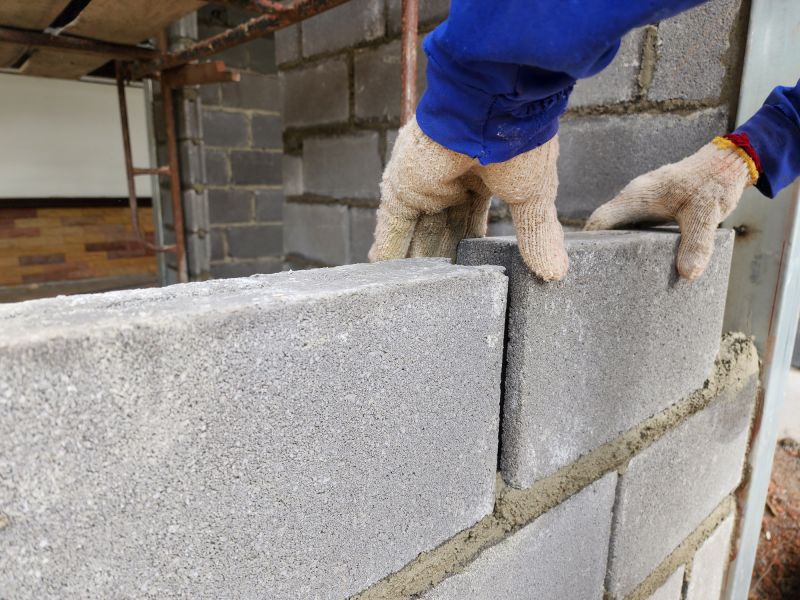
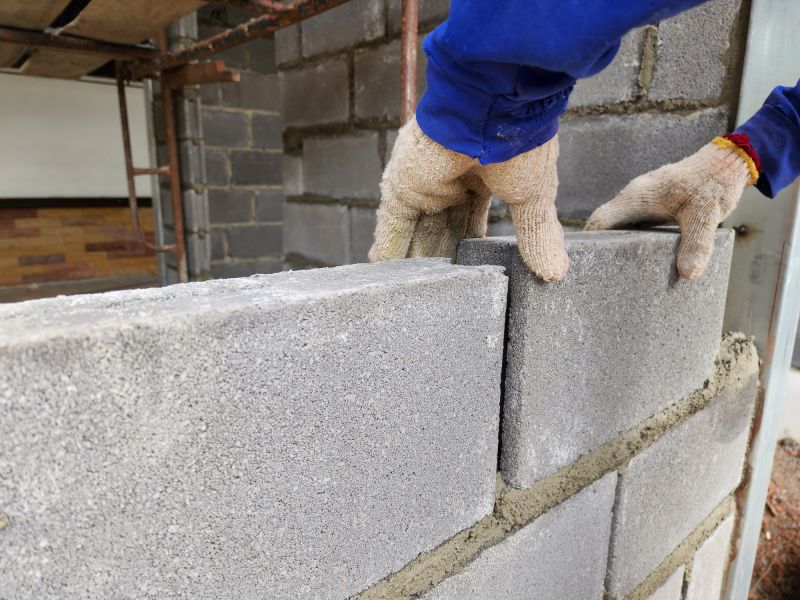
Concrete walls are a practical solution for property owners looking to enhance the stability of their structures. These walls provide strong support that can help prevent shifting or settling over time, especially in areas prone to soil movement or uneven terrain. For those undertaking projects like basement finishing, retaining walls, or fencing, local contractors experienced in concrete wall construction can ensure the walls are built to withstand daily stresses and environmental factors, contributing to the long-term durability of the property.
In addition to stability, concrete walls play a key role in improving drainage around a property. Properly designed and installed concrete retaining walls can direct water flow away from foundations and landscaped areas, reducing the risk of water pooling or flooding. Property owners considering drainage improvements or erosion control often turn to local service providers who specialize in concrete wall construction, as they can recommend and build solutions tailored to the specific needs of the site.
How do concrete walls enhance the structural stability of a building? Concrete walls provide strong, durable support that helps resist forces such as wind, soil pressure, and seismic activity, improving overall stability. Local contractors can design and construct these walls to suit specific structural needs, ensuring long-term support.
In what ways do concrete walls improve drainage around a property? Concrete walls can be built with drainage features like weep holes or sloped surfaces that facilitate water runoff, reducing the risk of water pooling or flooding. Experienced service providers can incorporate these elements into the wall design for effective drainage management.
Can concrete walls be integrated into existing structures for added stability? Yes, local construction professionals can retrofit or reinforce existing structures with concrete walls to enhance stability and prevent shifting or settling over time. They assess the site to ensure proper integration and support.
How does the construction of concrete walls impact the management of water flow on a property? Properly designed concrete walls can direct water away from foundations and prevent erosion, contributing to better water management. Service providers can customize wall features to optimize drainage pathways.
What are some common features of concrete walls that improve both stability and drainage? Features such as reinforced concrete, drainage channels, weep holes, and sloped surfaces help improve stability and facilitate water flow. Local contractors can incorporate these elements based on the specific site conditions.
Foundation Reinforcement - Concrete walls can be integrated into foundation projects to enhance the overall stability of structures on uneven or shifting ground, with local contractors providing expert installation.
Drainage Solutions - Installing concrete walls with built-in drainage channels helps direct water away from properties, reducing the risk of flooding and water damage with help from experienced service providers.
Retaining Wall Construction - Using concrete walls as retaining structures can prevent soil erosion and support landscaping efforts, with local pros ensuring proper design and placement.
Structural Support for Additions - Concrete walls can serve as reliable support for extensions or new features, improving stability and safety in practical renovation projects handled by local contractors.
If you are thinking about how concrete walls improve structural stability and drainage for a property, this guide is meant to help you understand this topic, the typical project types, and how different options might fit your plans.
When you are ready, you can use the quote form on this page to share a few details about your project. From there, local pros can review the basics and follow up with options that match what you have in mind.